Understanding Wood Effect Flooring Trends
In the ever-evolving landscape of interior design, wood effect flooring trends have emerged as a prominent choice among UK homeowners. As preferences shift towards sustainable, yet aesthetically pleasing materials, understanding the nuances between various wood-effect flooring options is essential. Whether you’re renovating an existing space or building anew, making an informed decision about your flooring can significantly influence the overall ambiance of your home.
What is Wood Effect Flooring?
Wood effect flooring encompasses a range of flooring options designed to mimic the appearance of natural wood while offering practical benefits. This category typically includes laminate flooring, luxury vinyl tiles (LVT), and engineered wood. Each type aims to deliver the warm aesthetic of timber while often enhancing durability and ease of maintenance, making them appealing choices for various settings in the home.
The Evolution of Flooring Trends in the UK
Historically, flooring trends in the UK have seen a transformation from traditional hardwood to more innovative materials. The last decade has particularly seen a surge in the popularity of wood effect flooring, driven by advances in manufacturing technology that allow for realistic wood patterns and textures. With consumers increasingly prioritizing sustainability, many manufacturers are now focusing on producing eco-friendly options that do not compromise on style or performance. This evolution reflects a broader shift in consumer values—emphasizing aesthetics, practicality, and environmental responsibility.
Key Benefits of Choosing Wood Effect Flooring
- Affordability: Compared to solid hardwood, wood effect options are typically more budget-friendly, allowing homeowners to achieve a luxurious look without breaking the bank.
- Durability: Many wood effect flooring types are designed to withstand heavy foot traffic, making them ideal for busy households.
- Easy Maintenance: Unlike traditional wood, which may require regular refinishing, wood effect options often require minimal upkeep, making them great for families.
- Variety of Styles: With a plethora of finishes and designs, it’s easy to find a wood effect flooring that complements any décor style, from rustic to modern.
Comparative Analysis: Laminate vs. Engineered Wood Flooring
Structural Differences and Their Impact
When choosing between laminate and engineered wood flooring, understanding their structural differences is crucial. Laminate flooring is typically composed of a high-density fiberboard core topped with a wood-like photographic layer, while engineered wood features a layer of real hardwood veneer over a base of plywood layers. This fundamental difference affects their performance, longevity, and how they respond to changes in humidity and temperature.
Durability and Maintenance Considerations
Laminate flooring is often lauded for its exceptional durability and scratch resistance, making it a popular choice for high-traffic areas. In contrast, engineered wood, while still durable, requires more care to maintain its aesthetic appeal. Proper sealing and occasional refinishing can extend the lifespan of engineered wood, but it may not hold up as well as laminate in areas prone to moisture, such as bathrooms.
Aesthetic Appeal: Which One Wins?
From an aesthetic perspective, engineered wood typically wins out due to its authentic hardwood surface, which can display the natural beauty of wood grain. It exudes a warmth and charm that laminate struggles to replicate, despite advancements in design technology. For those seeking a more premium finish that adds value to their home, engineered wood is often seen as the superior choice.
Budgeting for Your Flooring Project
Costs Associated with Wood Effect Flooring Options
When creating a budget for your flooring project, it's essential to consider not just the purchase price but also installation costs, underlay, and potential maintenance expenses. Laminate flooring generally comes at a lower upfront cost, while engineered wood can represent a more significant investment, albeit with the potential for a higher return in terms of home value.
Financing and Investment Considerations
For many homeowners, financing flooring upgrades can be daunting. Exploring financing options, such as home improvement loans or credit agreements, can help spread costs over time. Remember that investing in quality wood effect flooring can enhance your home's aesthetic and overall value, making it a worthwhile consideration.
Long-term Value of Wood Effect Flooring Trends
Choosing quality wood effect flooring can mean the difference between a transient style choice and a long-term investment. Laminate might save you money upfront, but engineered wood's durability and aesthetic appeal can pay dividends over time, especially in resale value. It’s worth conducting thorough research into various brands and collections to find the option that best aligns with your budget and long-term vision.
Choosing the Right Wood Effect Flooring for Your Space
Factors to Consider for Different Areas of Your Home
Determining the right type of flooring often depends on specific room requirements. For example, kitchens and bathrooms require flooring that can withstand spills and humidity. Laminate is generally more water-resistant, making it suitable for these areas. However, with appropriate sealing, engineered wood can also perform well in these spaces.
Design Tips for Matching Flooring with Décor
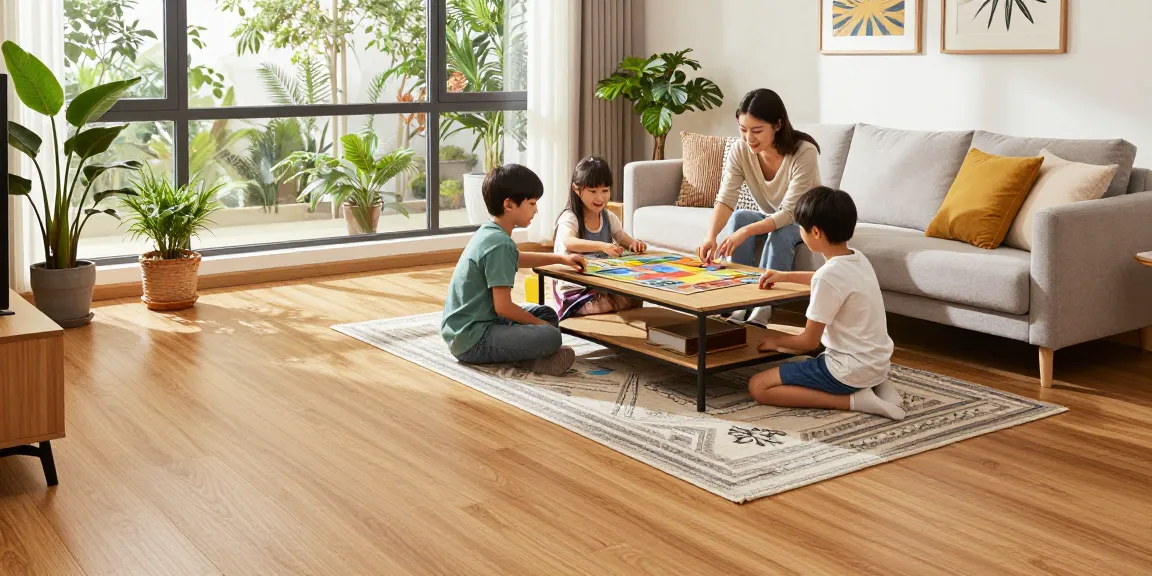
When integrating wood effect flooring into your home, consider the overall color palette and style of your décor. Darker wood tones can lend sophistication, while lighter finishes reflect a more casual, airy ambiance. It's also essential to match your flooring with furniture and wall colors for a cohesive look.
Expert Recommendations and Installation Tips
Installing wood effect flooring can be a DIY project if you’re handy, but hiring professionals might yield better results, especially for engineered wood. They're equipped with the right tools and experience to ensure a perfect fit. Additionally, always acclimate your flooring in the installation space for at least 48 hours prior to installation to minimize issues with expansion or contraction.
Future Trends in Wood Effect Flooring by 2026
Emerging Styles and Innovations in Wood Effect Flooring
As we look towards 2026, the trends in wood effect flooring are expected to lean even further towards sustainability and innovation. Materials that mimic reclaimed wood, alongside evolving manufacturing processes that reduce waste, will likely dominate the market. Expect a rise in the use of digital printing techniques that produce even more realistic patterns and textures.
Sustainability and Environmental Impacts
With environmental consciousness rising among consumers, sustainable flooring solutions will take centre stage. Look for manufacturers who prioritize eco-friendly practices, such as sustainably sourced materials and reduced carbon footprints in their production processes.
Predictions for Consumer Preferences in Flooring
Based on current trends, consumers will continue to favor versatile, easy-maintenance flooring options that do not sacrifice aesthetics. The preference for hybrid solutions—mixing different materials and styles—will also likely gain traction, allowing homeowners to customize their spaces further.
How do I maintain my wood effect flooring?
Maintaining your wood effect flooring typically involves regular sweeping or vacuuming to remove dirt and debris, followed by damp mopping with suitable cleaning solutions. For engineered wood, it's essential to avoid excessive water exposure and to use products designed for wood cleaning.
What are the best brands for wood effect flooring in 2026?
Leading brands in the wood effect flooring market include Quick-Step, Pergo, and Karndean, known for their durability, design choices, and technological advancements in flooring. It's worthwhile to research and compare products from these brands to find the best fit for your home.
Can wood effect flooring be installed in kitchens and bathrooms?
Yes, wood effect flooring can be installed in kitchens and bathrooms, but careful consideration must be given to the product's water resistance. Laminate is often more suitable for these high-moisture areas, while engineered wood must be adequately sealed to withstand spills and humidity.
What budget should I plan for a flooring upgrade?
Depending on your choices, budgeting for wood effect flooring can range broadly. Laminate may cost between £10 to £30 per square meter, while engineered wood could be anywhere from £25 to £100 or more per square meter. Don’t forget to account for additional costs such as installation and underlayment.
How do wood effect flooring trends differ by region in the UK?
Regional preferences play a significant role in flooring choices across the UK. Urban areas may gravitate towards modern styles and low-maintenance materials, while rural communities might favor more traditional, rustic designs that complement their surroundings. Understanding local trends can help you make decisions that resonate with your target market.