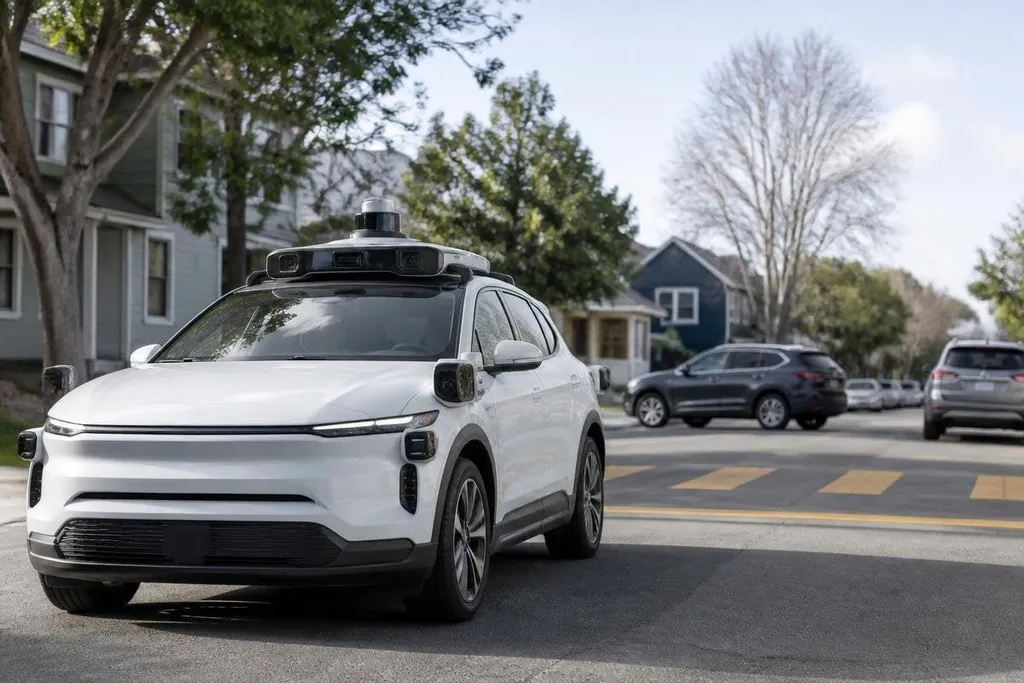
A robotaxi can complete a trip without a driver, but that is only the first test. A mature service must handle bad weather, confused road users, remote support, and the moments when a passenger needs help.
- Safe stops when sensors disagree
- Clear help for riders inside the car
- Service plans that work beyond a small test area
The ride starts with the sensors
Cameras, radar, and often LiDAR read different parts of the road. Each sensor sees a different part of the scene, so the driving system compares their data before choosing a path.
That comparison matters when one view is blocked. A camera may struggle with glare, while radar can still detect an object ahead. LiDAR can measure shape and distance, but rain, dust, or snow can reduce the quality of its readings.
The next step is not adding sensors for their own sake. It is showing what the car does when the readings disagree. A safe system should slow down, pull over, or ask for remote help instead of forcing a guess.
On a public road, sensor disagreement becomes a driving decision: slow down, pull over, or ask for remote help. Robotaxi reporting from Robot24.com can tie that response to the test date, road setting, and human control rule. The next problem sits outside the car.
The hard part is the road around the car
A clear route tells little about a robotaxi's wider skill. City driving includes road work, temporary signs, emergency vehicles, cyclists, delivery workers, and people who cross outside marked areas.
The vehicle must read intent from movement, position, and timing. That work becomes harder when a person steps from behind a parked van or when a traffic officer gives instructions that differ from a sign.
A good test should repeat the same route under different conditions. It should include day and night driving, changes in traffic, and a safe response to an object that appears late.
The result should record how often the car stops, asks for help, or hands control to a remote operator.
Remote support does not mean a person drives every difficult mile. The operator may only tell the vehicle which route to take or confirm that a blocked lane is safe to pass. The system still needs a clear limit on what that person can approve from a distant screen.
Passengers need more than an empty front seat
A driverless car changes the job inside the vehicle. Riders need to know how to start the trip, report a problem, contact support, and leave safely after an incident.
The cabin should make those actions clear without requiring a phone app for every step. A physical help button, readable trip status, and plain instructions matter when a rider is tired, has limited mobility, or is traveling with a child.
The system also needs a plan for stops in unsafe places. If the car loses a sensor, reaches a blocked road, or detects a fault, it should explain the delay and move to a safe stopping point when it can.
Trust comes from repeatable behavior. A rider should not have to guess whether a long pause means traffic, a software check, or a call for remote help.
The business test is service, not spectacle
A robotaxi company must keep cars clean, charged, inspected, and ready for the next trip. That work can decide whether the service functions outside a small demonstration area.
The same applies to repairs. A damaged sensor can stop a car even when the rest of the vehicle works. Operators need spare parts, trained technicians, and a way to remove faulty cars without leaving riders waiting at the roadside.
The price also needs a clear frame. A low fare may attract riders, but it does not show whether the service can cover vehicle upkeep, remote staff, energy, insurance, and depot work. Those costs need testing over normal service, not a single event.
I'd wait for repeated service records before treating a new robotaxi as ready for daily travel.
A practical check before you ride or buy
Use these points when judging a pilot, service, or company claim:
- Check the route: Does the service run through mixed traffic, road work, and night conditions?
- Ask about help: Can a passenger reach a human without a phone, and what can that person do?
- Watch the stops: Does the car explain delays and choose a safe place when a fault appears?
- Find the service record: Look for repeated trips, not one edited demonstration.
- Read the limits: Check the stated weather, road, speed, and operating-area restrictions.
The next robotaxi earns trust through safe stops, clear rider support, and service records that hold up across ordinary days. Until those records are public, a driverless trip remains a demonstration of one route, not proof of a finished transport service.