Understanding Half Hourly Meters
In the rapidly evolving landscape of business energy consumption, understanding energy meter types is crucial for optimizing costs and enhancing operational efficiency. A half hourly meter is designed specifically for businesses with higher energy demands, tracking usage in 30-minute intervals. This granular level of monitoring provides businesses with valuable insights, empowering them to make informed decisions about their energy consumption and expenditure. When exploring options, half hourly meter explained can serve as a valuable resource for understanding its implications on energy management.
What is a Half Hourly Meter?
A half hourly meter is a sophisticated device that records the electricity or gas consumption of a business at 30-minute intervals throughout the day. Unlike standard meters that measure total usage over a billing period, half hourly meters provide real-time data, allowing for a more nuanced understanding of energy consumption patterns. Typically used by businesses with high energy consumption (usually above 100 kW), these meters can help companies make strategic decisions that reduce costs and environmental impact.
How Does it Work and Why Use It?
Half hourly meters operate by automatically transmitting data to suppliers, allowing for accurate billing and detailed analysis of energy usage. The continuous data feed enables businesses to identify peak energy use times and shift consumption patterns to off-peak periods, often leading to substantial savings. By understanding how and when energy is utilized, businesses can negotiate better rates and tailor their energy procurement strategies to reduce waste and improve efficiency.
Benefits of Half Hourly Metering for Businesses
- Enhanced Visibility: Detailed data reporting allows businesses to monitor energy usage closely.
- Cost Savings: Identifying peak usage can lead to shifts in consumption, reducing costs significantly.
- Improved Energy Management: Real-time data helps in creating effective energy management strategies.
- Better Negotiation Power: Armed with accurate data, businesses can negotiate better rates with energy suppliers.
- Regulatory Compliance: Some regulations mandate the use of half hourly meters for larger businesses.
Comparing Energy Costs with Half Hourly Meter Data
Businesses leveraging half hourly meter data gain a significant advantage in understanding their energy costs. The granularity of data allows for precise comparisons between different tariffs and suppliers, empowering companies to make strategic energy procurement decisions.
Why Accurate Usage Data Matters
Accurate usage data from half hourly meters is crucial for businesses aiming to reduce energy costs. Understanding consumption patterns helps identify when energy is used most heavily, allowing for adjustments that can lead to savings. Without comprehensive data, businesses may miss opportunities for optimization.
Strategies for Analyzing Energy Usage
To effectively analyze energy usage, businesses can employ several strategies:
- Identify Peak Demand: Use data to pinpoint when your business uses the most energy and explore options to shift usage to off-peak times.
- Benchmarking: Compare your energy consumption with similar businesses to identify areas for improvement.
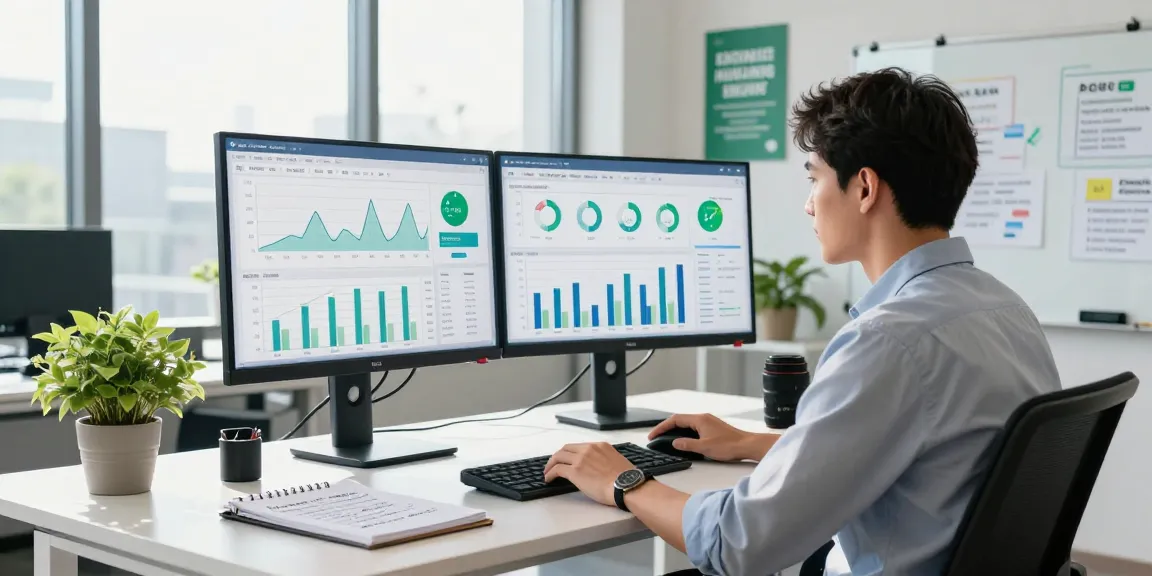
- Utilizing Analytics Tools: Invest in software that visualizes energy usage data and highlights anomalies.
- Regular Reviews: Periodically review consumption data to track changes and adjust strategies accordingly.
Identifying Savings Opportunities Through Data
By analyzing the data from half hourly meters, businesses can identify numerous opportunities for savings. For instance, businesses might discover that certain machines use far more energy during specific times of the day, prompting them to adjust operation schedules. Other strategies may include investing in energy-efficient equipment or exploring the use of renewable energy sources.
Implementing a Half Hourly Meter System
Implementing a half hourly meter system can seem daunting for some businesses. However, with the right approach, the installation and ongoing management can be seamless and beneficial.
Choosing the Right Meter for Your Business
When selecting a half hourly meter, businesses should consider factors such as energy usage patterns, operational requirements, and compatibility with existing infrastructure. Consulting with energy brokers or experts can provide insights into the best options available.
Installation Process and Timeframes
The installation of half hourly meters typically involves an assessment of current energy usage and existing meter systems. Once the right meter is selected, the installation can usually be completed within a few days, depending on the company’s size and infrastructure. During the installation process, it’s essential to ensure minimal disruption to ongoing operations.
Working with Energy Brokers for Optimal Setup
Energy brokers can facilitate the installation process by guiding businesses through the regulatory landscape and helping to select the most suitable meter for their needs. Their expertise can streamline the transition to half hourly metering, ensuring that businesses not only comply with regulations but also maximize the benefits of accurate data.
Overcoming Common Challenges
Despite the numerous benefits, businesses may encounter challenges when transitioning to half hourly meters. Identifying and addressing these challenges is key to successful implementation.
Misconceptions About Half Hourly Meters
One common misconception is that half hourly meters are only necessary for large enterprises. In reality, any business with substantial energy usage can benefit from the detailed insights these meters provide. Another misconception is that the costs associated with them outweigh the benefits, when in fact, the savings and efficiency gains can be significant.
Addressing Initial Investment Concerns
Investing in half hourly metering may require upfront expenditure, which can be a concern for businesses. However, many organizations find that the long-term cost reductions and efficiency improvements justify the initial outlay. Creating a business case that outlines potential savings can assist in securing buy-in from stakeholders.
Training Staff to Use Meter Data Effectively
To leverage the full benefits of half hourly metering, it is essential that staff are trained to interpret and use meter data effectively. Workshops, training sessions, and ongoing support can empower employees to make informed decisions based on this data, driving improvements in energy management.
Future Trends in Energy Metering and Management
The future of energy metering is closely tied to advancements in technology and shifting market dynamics. These trends are set to transform how businesses manage energy consumption.
Innovations Affecting Half Hourly Meters in 2026
As we gaze into the future, innovations in metering technology are set to enhance the capabilities of half hourly meters. Developments such as remote monitoring, predictive analytics, and improved data visualization tools promise to further empower businesses in managing their energy consumption.
The Role of Green Energy in Metering
With a growing focus on sustainability, half hourly meters will increasingly feature integrations with renewable energy sources. This shift not only supports green energy initiatives but also helps businesses manage their carbon footprints effectively. Additionally, regulatory incentives may emerge to encourage the adoption of sustainable practices.
How Smart Technologies are Changing Energy Management
Smart technologies are revolutionizing energy management practices. The integration of IoT (Internet of Things) devices with half hourly meters allows for real-time monitoring, predictive maintenance, and automated responses to energy consumption patterns. This technology enables businesses to optimize their energy usage proactively.
What are the costs associated with half hourly meters?
The costs associated with half hourly meters typically include installation fees, monthly rental charges from suppliers, and any ongoing maintenance costs. However, these expenses can often be offset by the savings realized through reduced energy consumption and more effective budgeting strategies.
How can businesses effectively track their energy usage?
Businesses can effectively track their energy usage by leveraging the detailed data provided by half hourly meters. Employing analytics tools to visualize this data, regularly reviewing consumption patterns, and engaging in benchmarking against industry peers all contribute to a comprehensive energy monitoring strategy.
What are the advantages of using a broker for energy comparison?
Using a broker for energy comparison provides businesses with access to a wide range of suppliers and tariffs. Brokers can leverage their expertise and networks to secure better deals and negotiate favorable terms, ultimately saving businesses time and money.
How frequently should meter data be reviewed?
It is advisable for businesses to review their meter data on a monthly basis or immediately after any significant changes in energy usage. Regular reviews help identify trends, ensure that usage remains within expected parameters, and allow for timely adjustments to energy procurement strategies.
What are deemed rates and how do they relate to half hourly meters?
Deemed rates are the prices charged by suppliers when a business does not have a formal energy contract in place. These rates are typically higher than contracted rates and can apply if a business has not transitioned to a half hourly meter setup. Understanding this relationship is crucial, as businesses can avoid deemed rates through proactive energy management.